EN
EN SP
SP FR
FR
- Home
- About Us
- Products
- Service
- Project
- News
- Contact Us
Pulished on Aug. 30, 2023
An anti-climb fence is a specially designed fencing system designed to stop intruders from climbing over the fence. The rationale is to make climbing extremely difficult or even impossible by using structures and materials with anti-climbing properties. Such fences often have sloped construction, sharp points, or narrow mesh to prevent intruders from finding points of support or room to climb.
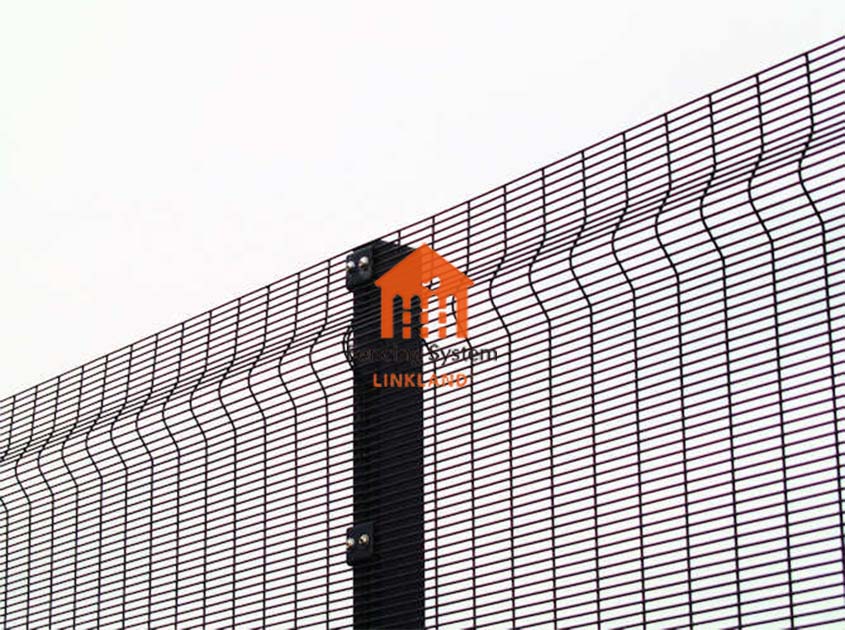
Use of spikes and sloped structures
Anti-climb fences often use spikes and sloped structures to deter intruders. Installing spikes, such as sharp spiked wire or sharp points, on the top of the fence can effectively deter intruders from trying to climb or jump over the fence. In addition, the sloping structure of the fence can make it difficult for intruders to find stable support points, increase the difficulty of climbing, and quickly throw the intruder off balance.

Use anti-climbing nets and anti-climbing claws
Anti-climb fences are often equipped with anti-climbing nets or anti-climbing claws to further enhance protection. The anti-climbing net is a mesh structure made of high-strength steel wire or steel plate, covering the inside or top of the fence. Its small mesh and strong material make it impossible for intruders to insert fingers or climbing tools, effectively preventing climbing behavior. Anti-climbing claws are devices fixed to the top of a fence with sharp barbs or serrations that prevent intruders from safely climbing or jumping over the fence.
Added monitoring and alerting systems
In addition to physical protection measures, adding monitoring and alarm systems is also an important strategy for anti-climb fences. Installing CCTV cameras and intrusion detection devices such as vibration sensors or infrared sensors around the perimeter of the fence can monitor the movement around the fence in real time and trigger an alarm if someone tries to climb or jump over the fence. These monitoring and alerting systems can respond quickly to intrusions, enabling security personnel to take timely countermeasures.
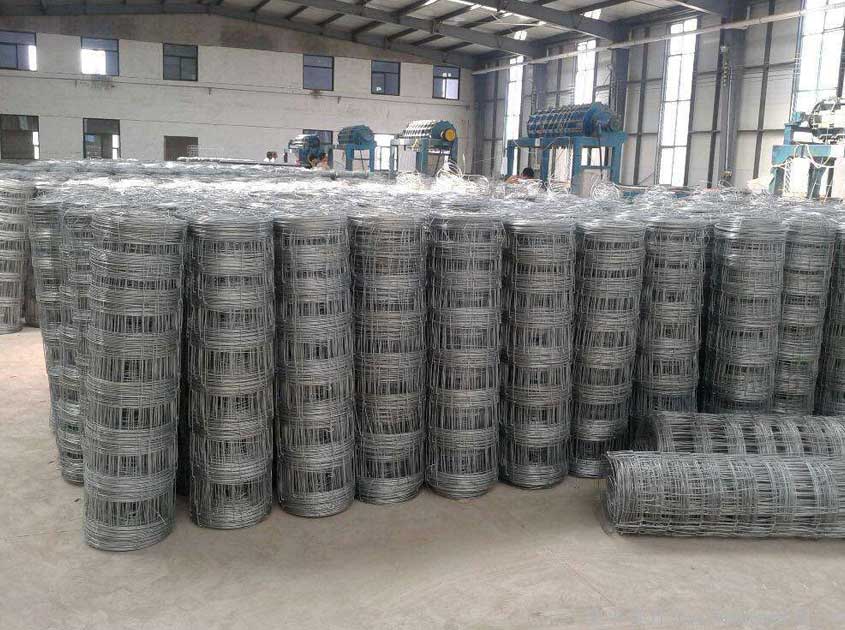
How to Choose Farm Fence for Cattle and Horses: Wire, Height and Design Guide
Pulished on Sep. 23, 2026
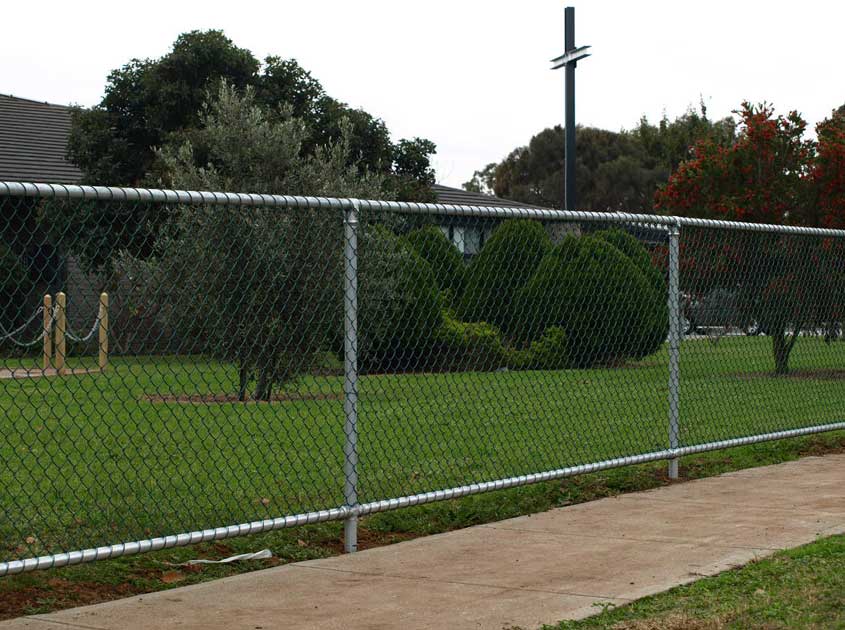
How Is Chain Link Fence Made? Manufacturing Process and Components
Pulished on Sep. 18, 2026
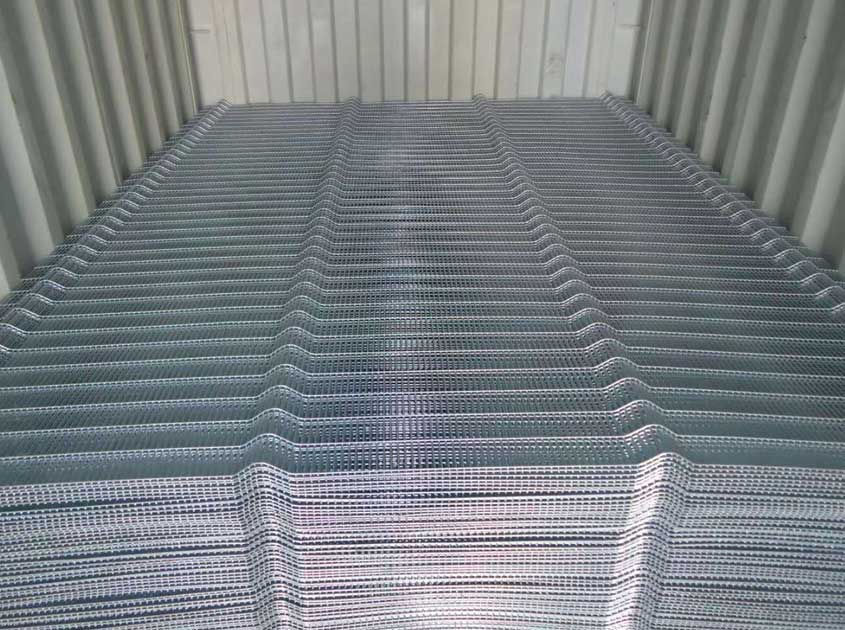
358 Security Fence vs Chain Link Fence: Security, Cost and Application Comparison
Pulished on Sep. 15, 2026
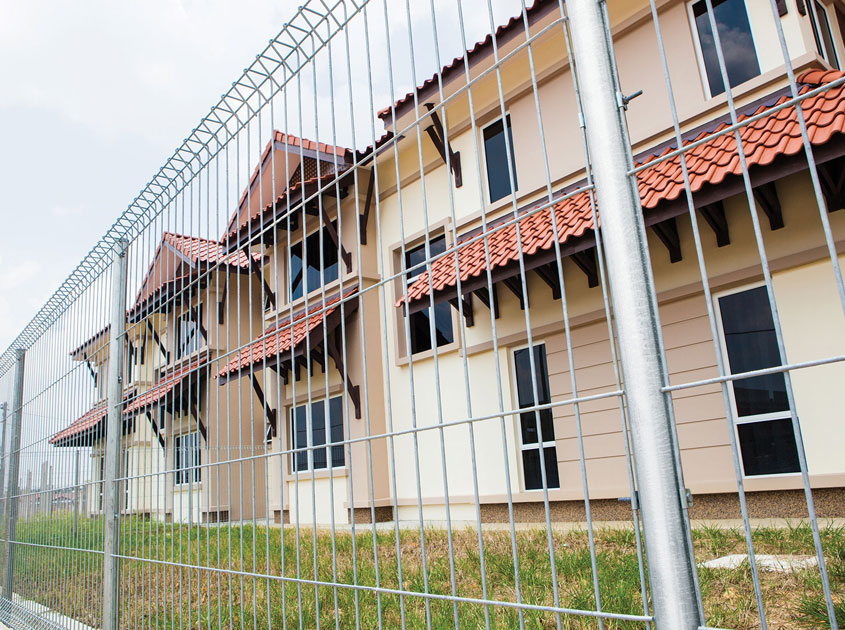
Why Choose Welded Wire Fence for Security and Protection?
Pulished on Sep. 07, 2026
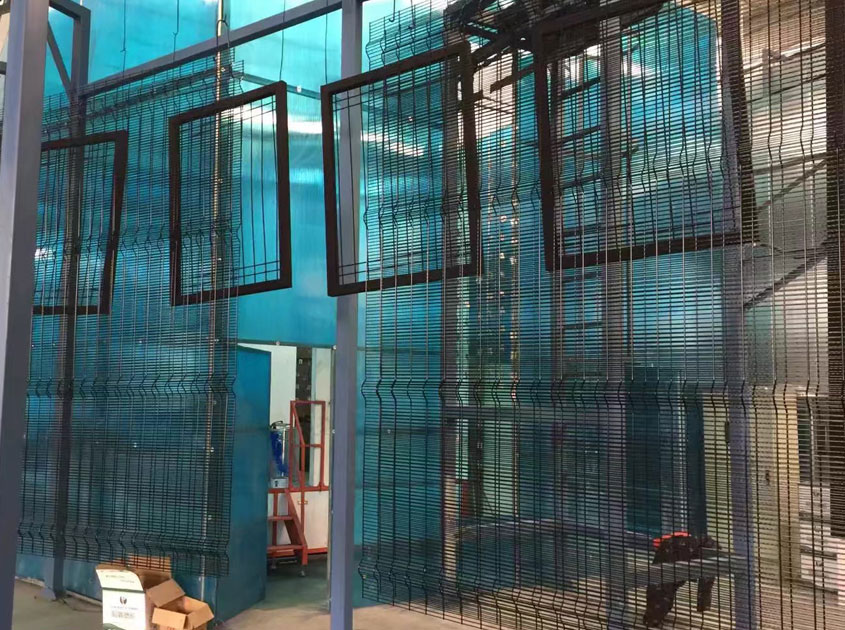
358 Security Fence Specifications and Applications Guide
Pulished on Aug. 27, 2026
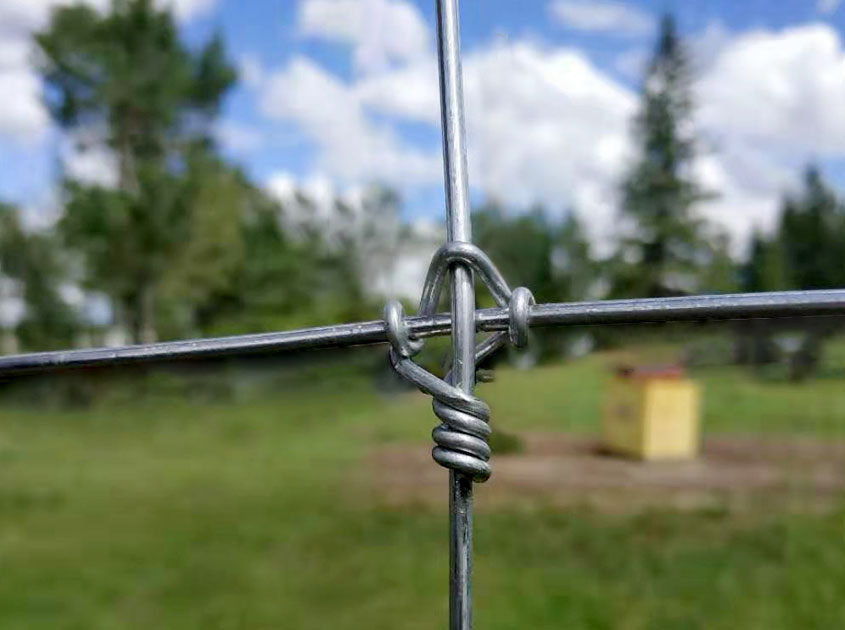
What Is Farm Fence and What Are the Main Types?
Pulished on Aug. 26, 2026
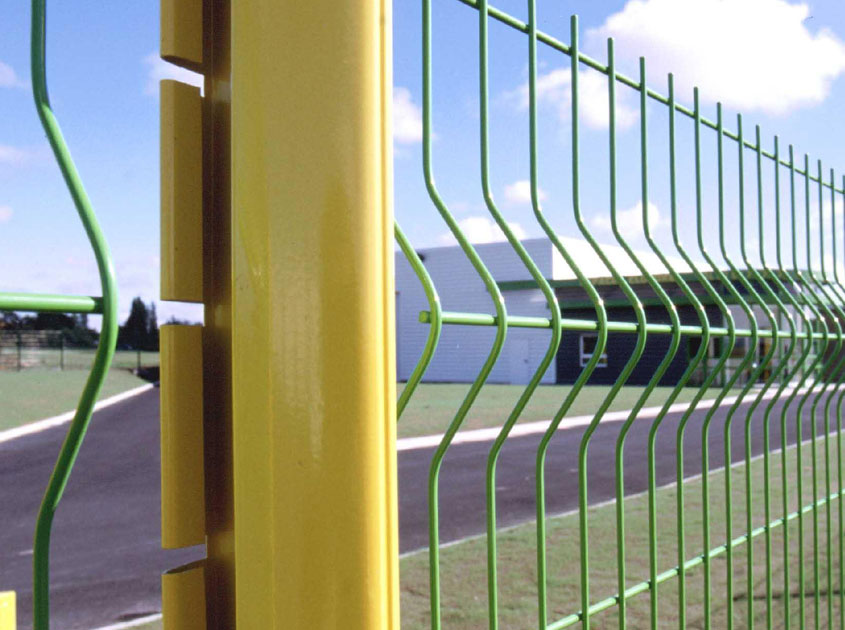
Welded Wire Fence Types, Sizes and Applications Guide
Pulished on Aug. 20, 2026
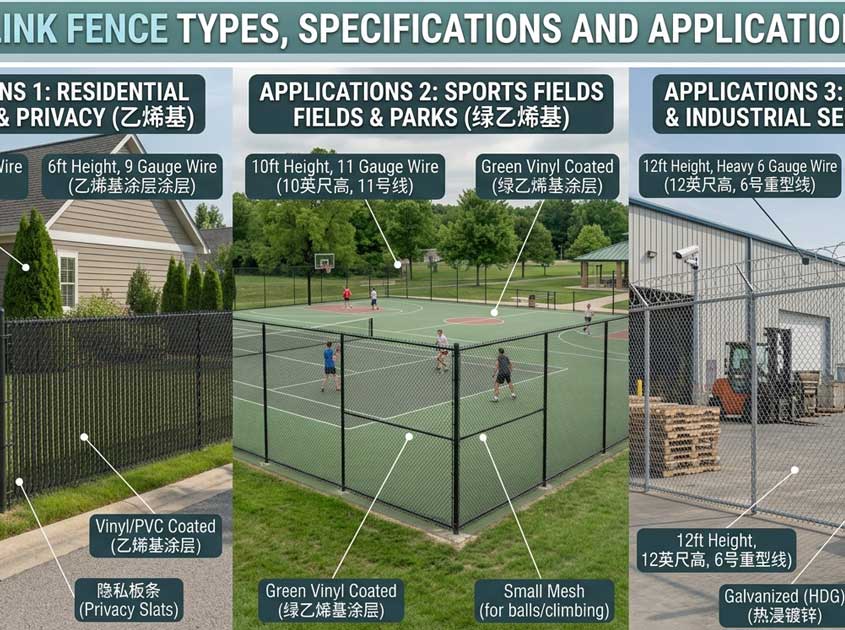
Chain Link Fence Types, Specifications and Applications Guide
Pulished on Aug. 12, 2026
How to Choose Farm Fence for Cattle and Horses: Wire, Height and Design Guide
Pulished on Sep. 23, 2026
How Is Chain Link Fence Made? Manufacturing Process and Components
Pulished on Sep. 18, 2026
358 Security Fence vs Chain Link Fence: Security, Cost and Application Comparison
Pulished on Sep. 15, 2026
Why Choose Welded Wire Fence for Security and Protection?
Pulished on Sep. 07, 2026
358 Security Fence Specifications and Applications Guide
Pulished on Aug. 27, 2026
What Is Farm Fence and What Are the Main Types?
Pulished on Aug. 26, 2026
Welded Wire Fence Types, Sizes and Applications Guide
Pulished on Aug. 20, 2026
Chain Link Fence Types, Specifications and Applications Guide
Pulished on Aug. 12, 2026